I help teams move from a broad business challenge to a clear, testable product direction. The work connects customer needs, business outcomes, and technical realities, so product managers and delivery teams can decide what to learn, what to build, and how to measure progress.
End to endProblem framing, research, synthesis, prototyping, and validation
Evidence-ledQualitative insight, analytics, and usability feedback inform iteration
The approach
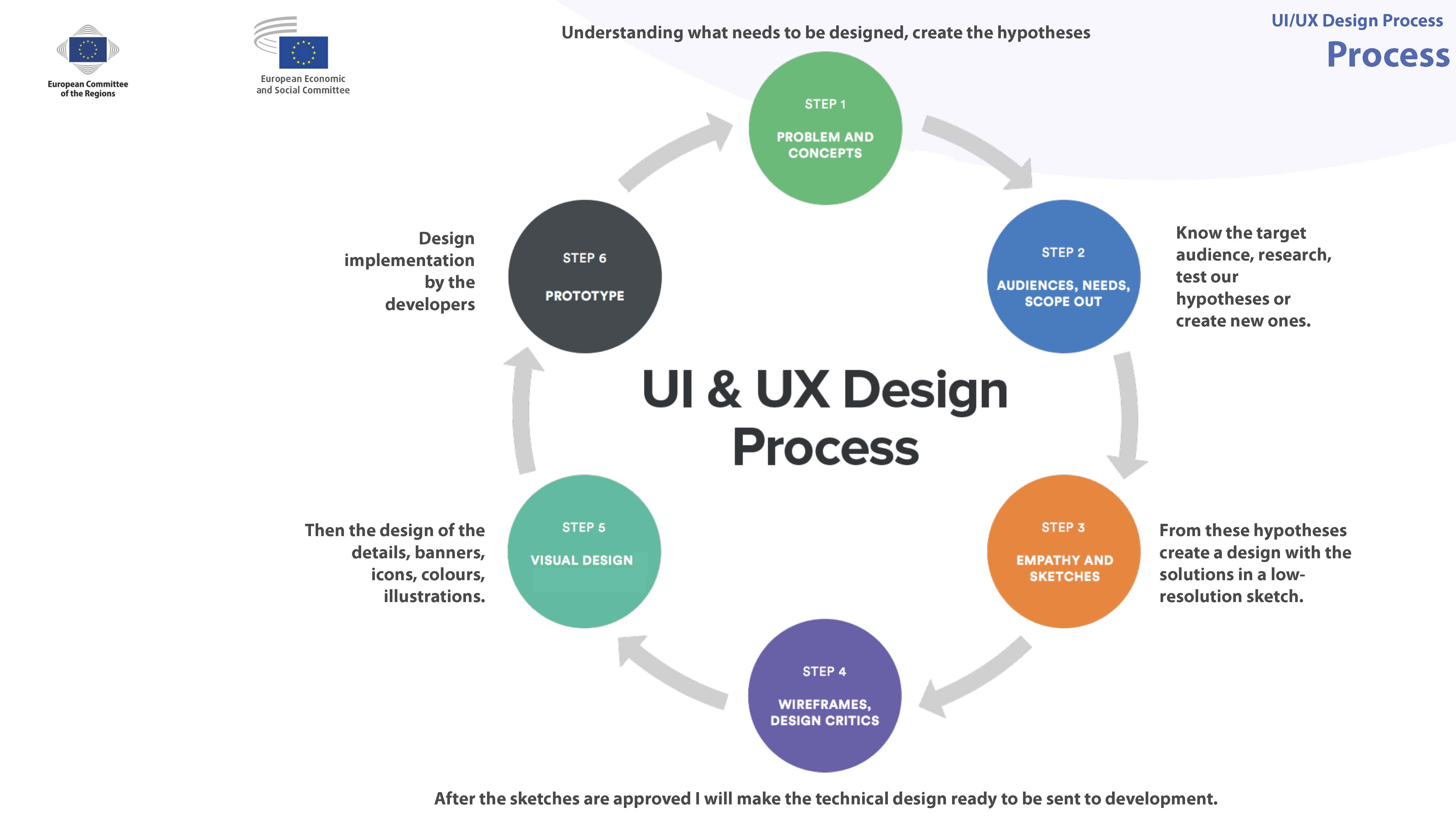
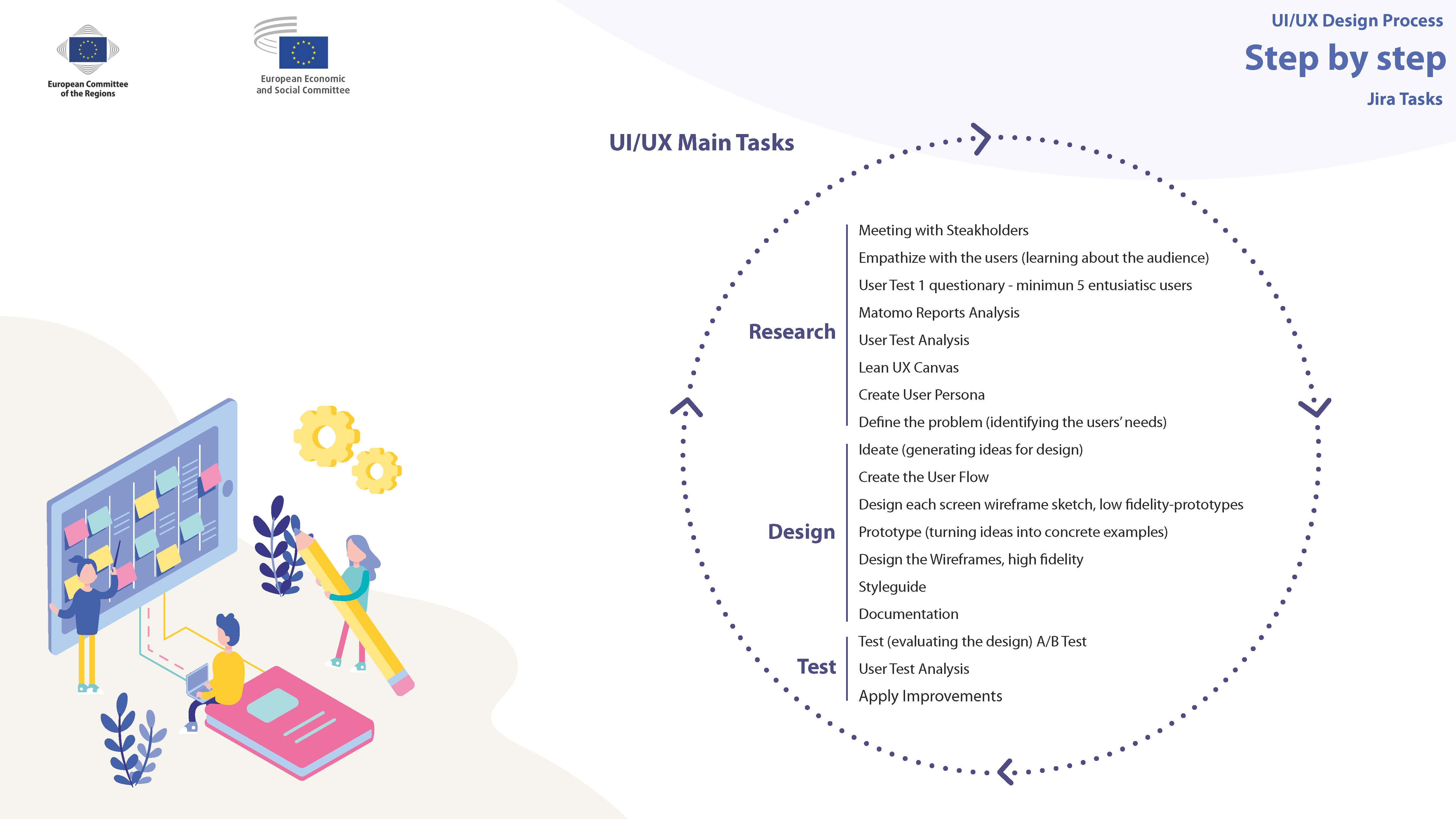
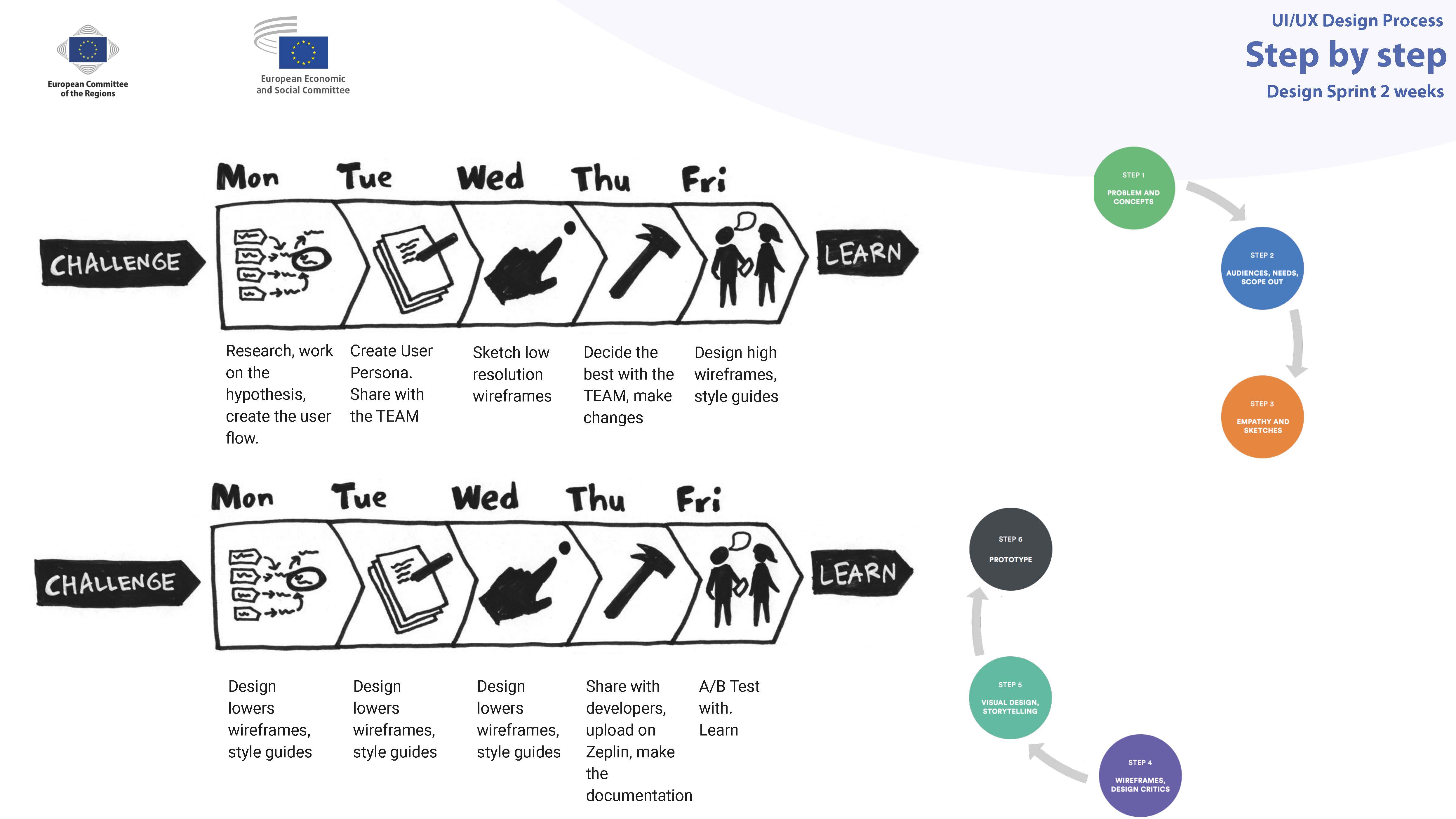
Six steps from uncertainty to a testable product direction
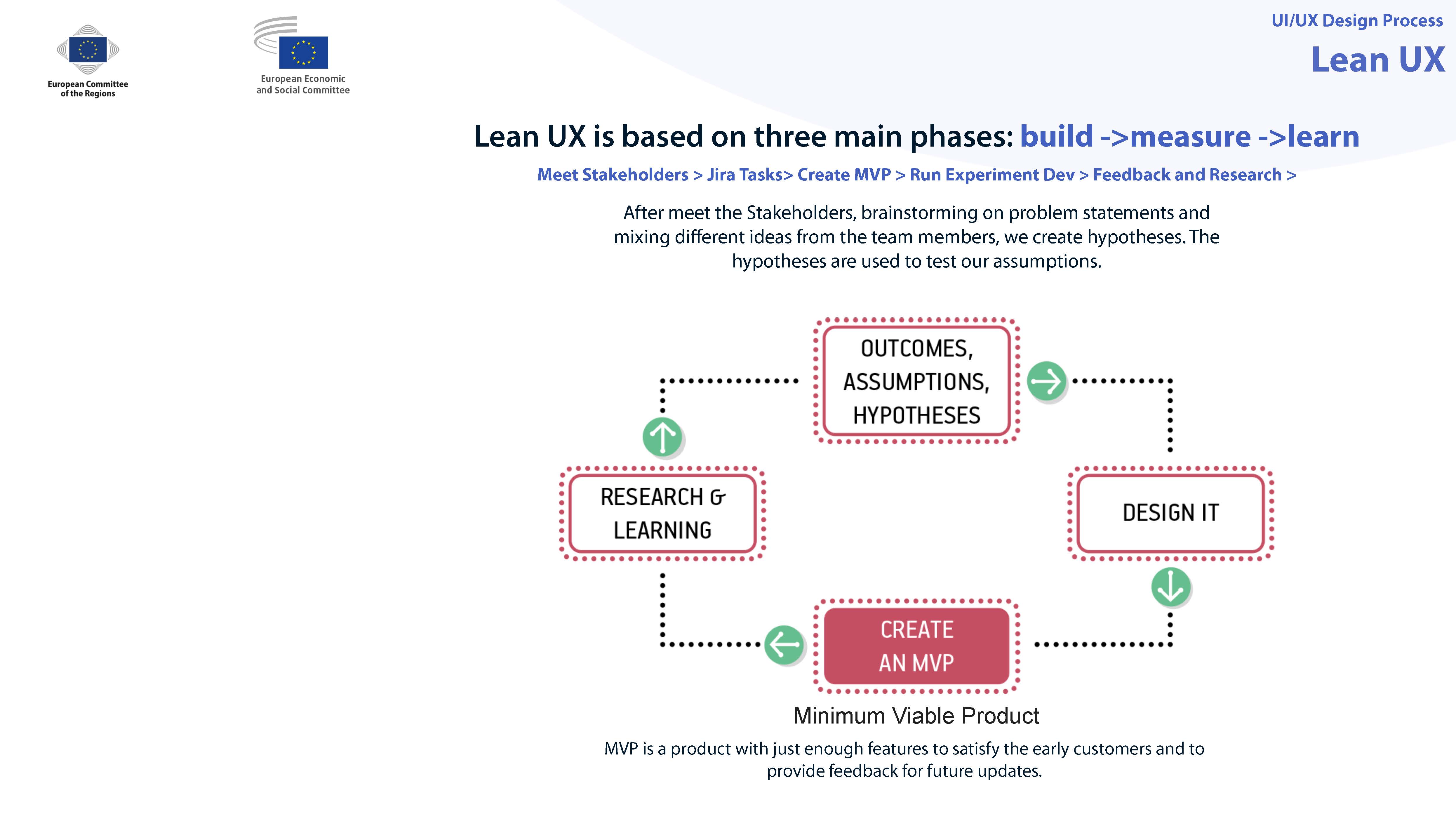
The sequence is a flexible framework, not a rigid waterfall. Teams can revisit earlier questions when research or testing reveals new information, while keeping decisions and learning visible.
01
Frame the business problem
Clarify the challenge, context, intended business outcome, constraints, and what success could look like before committing to a feature.
Business goals and constraints
Outcome and measurement questions
Problem statement and scope
02
Understand users and context
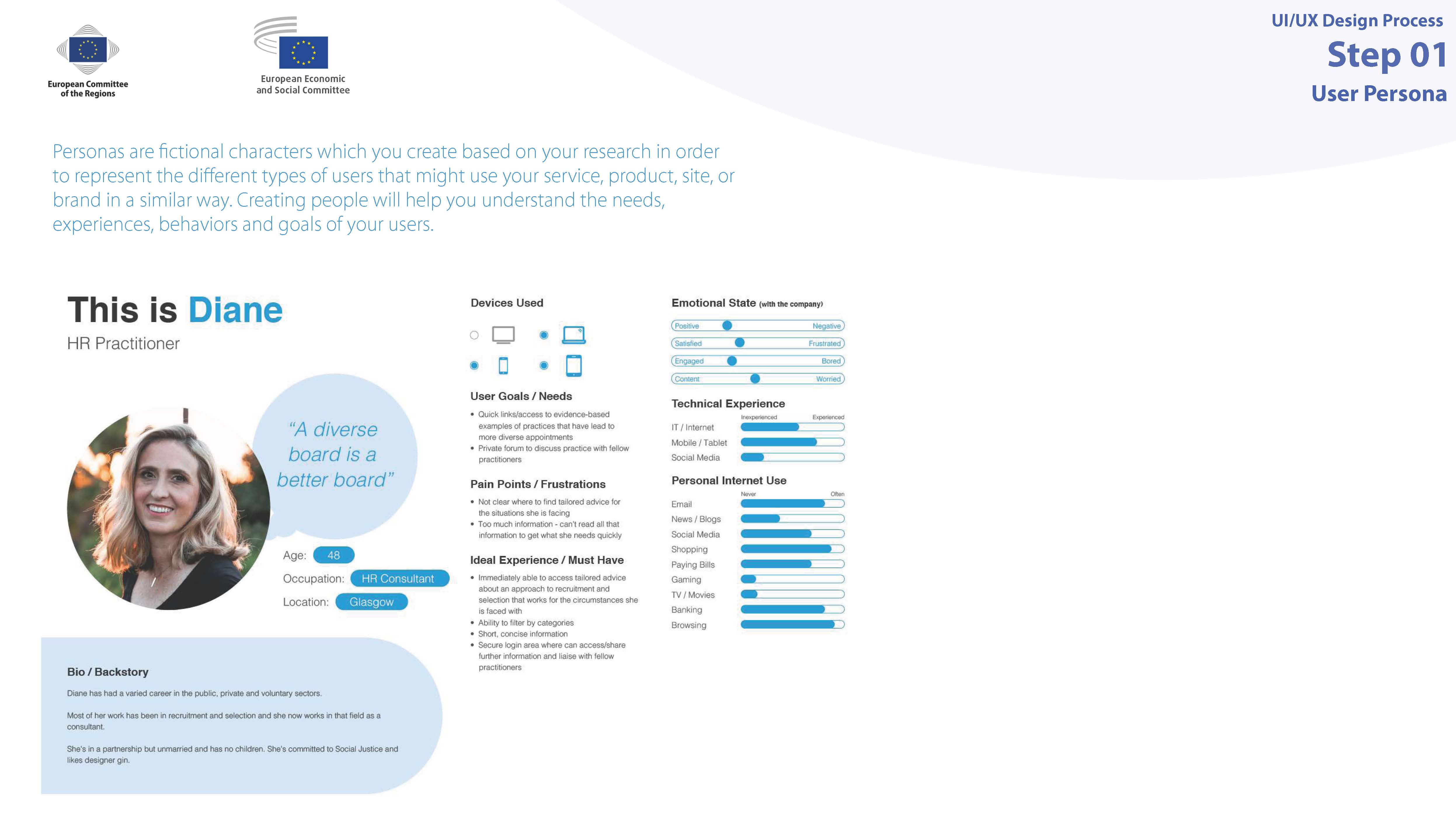
Combine direct research and available evidence to understand users’ goals, behaviours, needs, pain points, and environments.
Interviews and observation
Personas and user needs
Journey and service context
03
Synthesize and prioritize
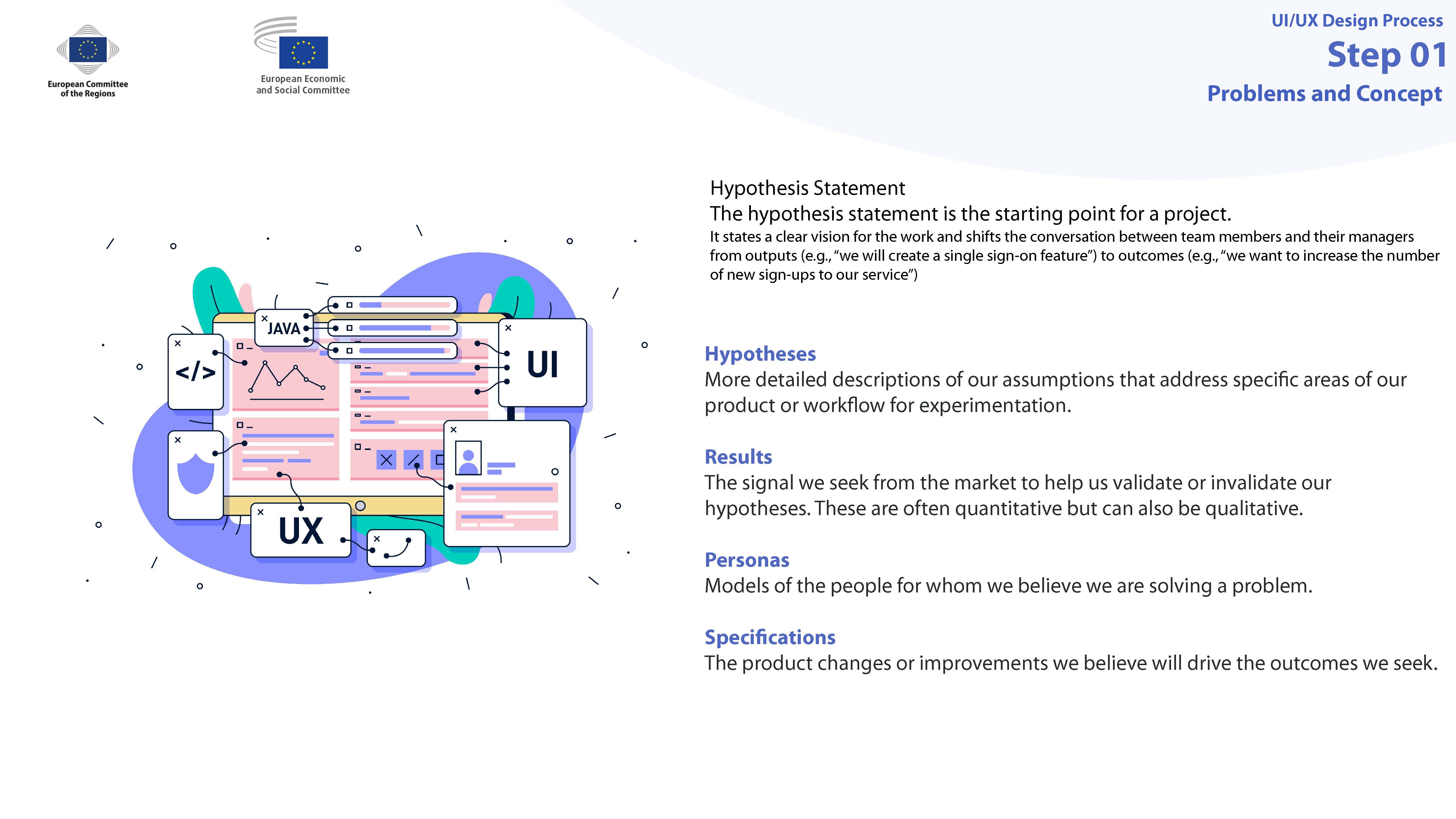
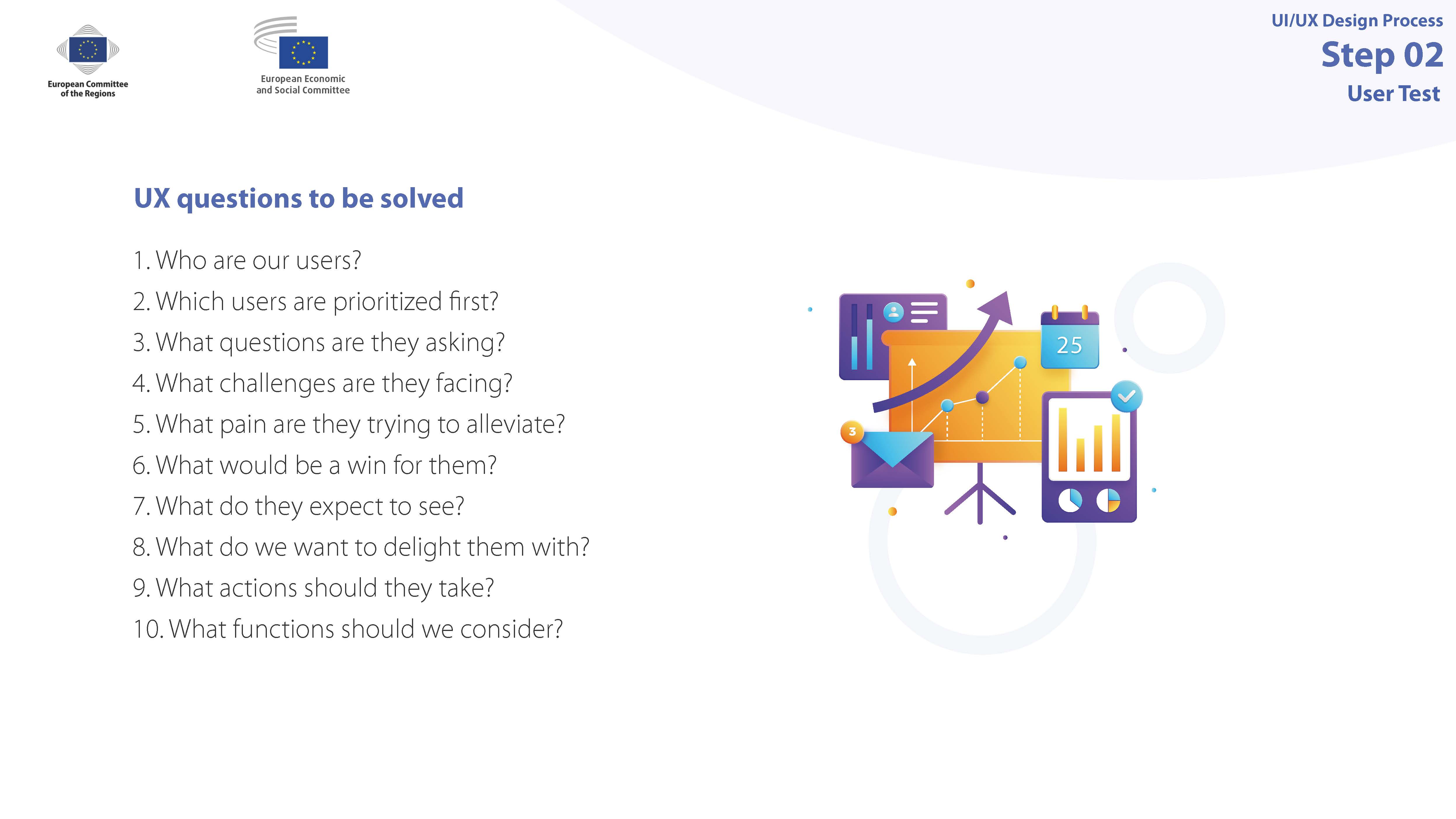
Turn findings into opportunity areas. Make assumptions explicit, agree priorities with product partners, and choose the riskiest questions to resolve first.
Affinity and thematic synthesis
Assumption and risk mapping
Prioritized opportunities
04
Explore solutions together
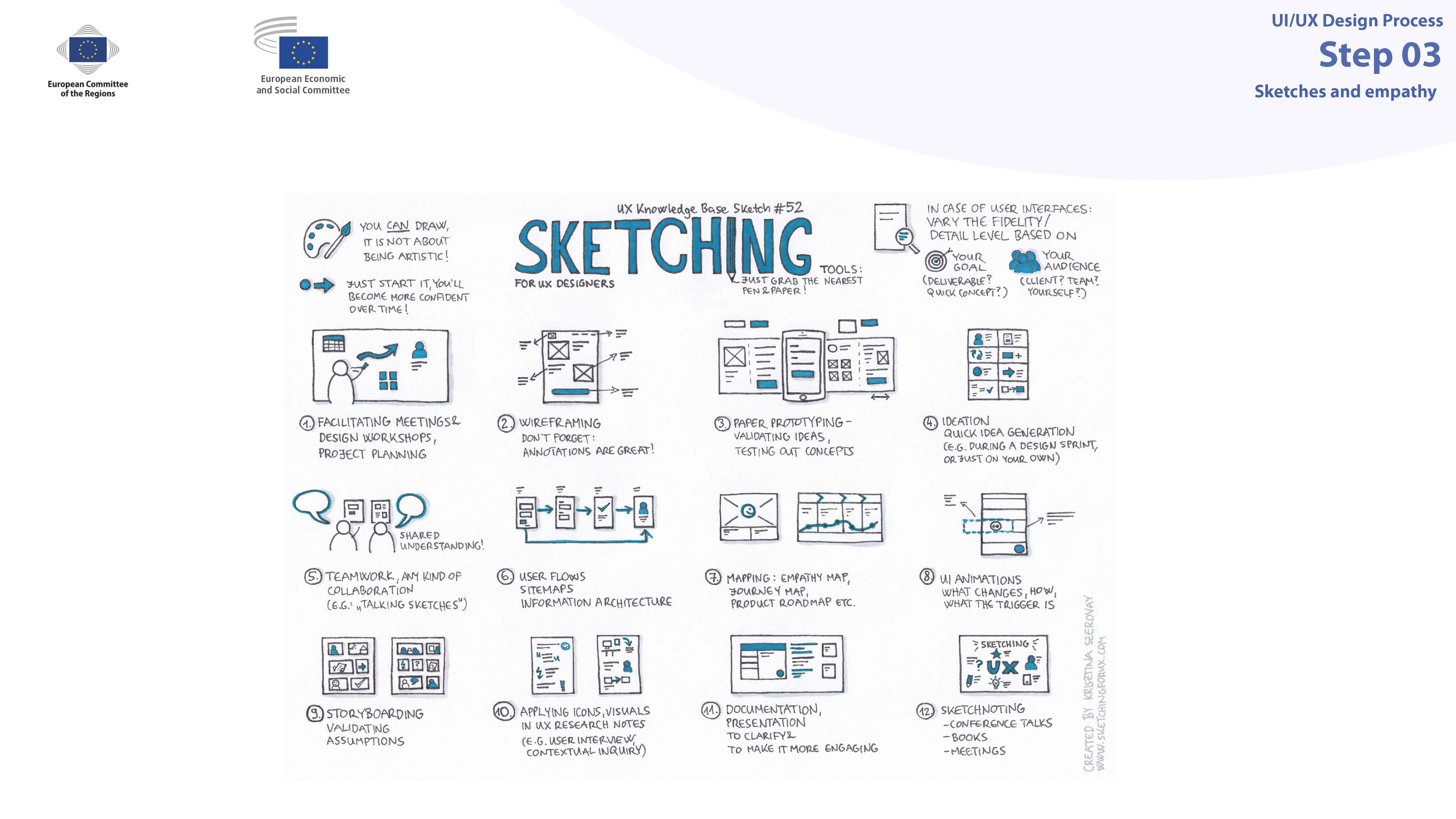
Run idea sessions with product managers and stakeholders, then translate promising directions into flows, wireframes, and prototypes.
Co-creation and concept options
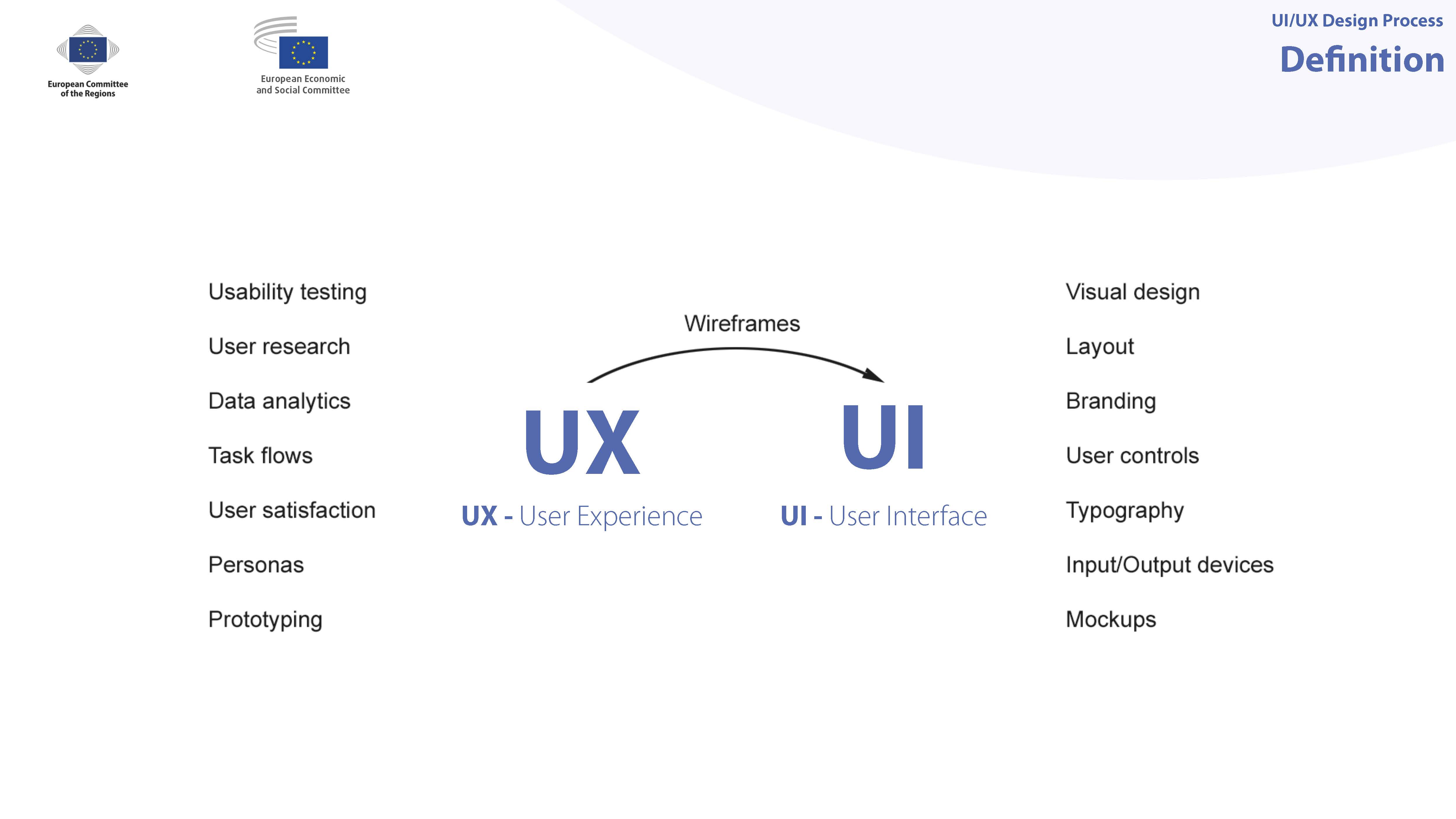
User flows and information architecture
Low- to high-fidelity prototypes
05
Test the riskiest assumptions
Use usability studies and lightweight experiments to learn whether a concept is understandable, useful, feasible, and worth further investment.
Usability testing and feedback
Prototype and design critique
Experiment and success criteria
06
Deliver, measure, and iterate
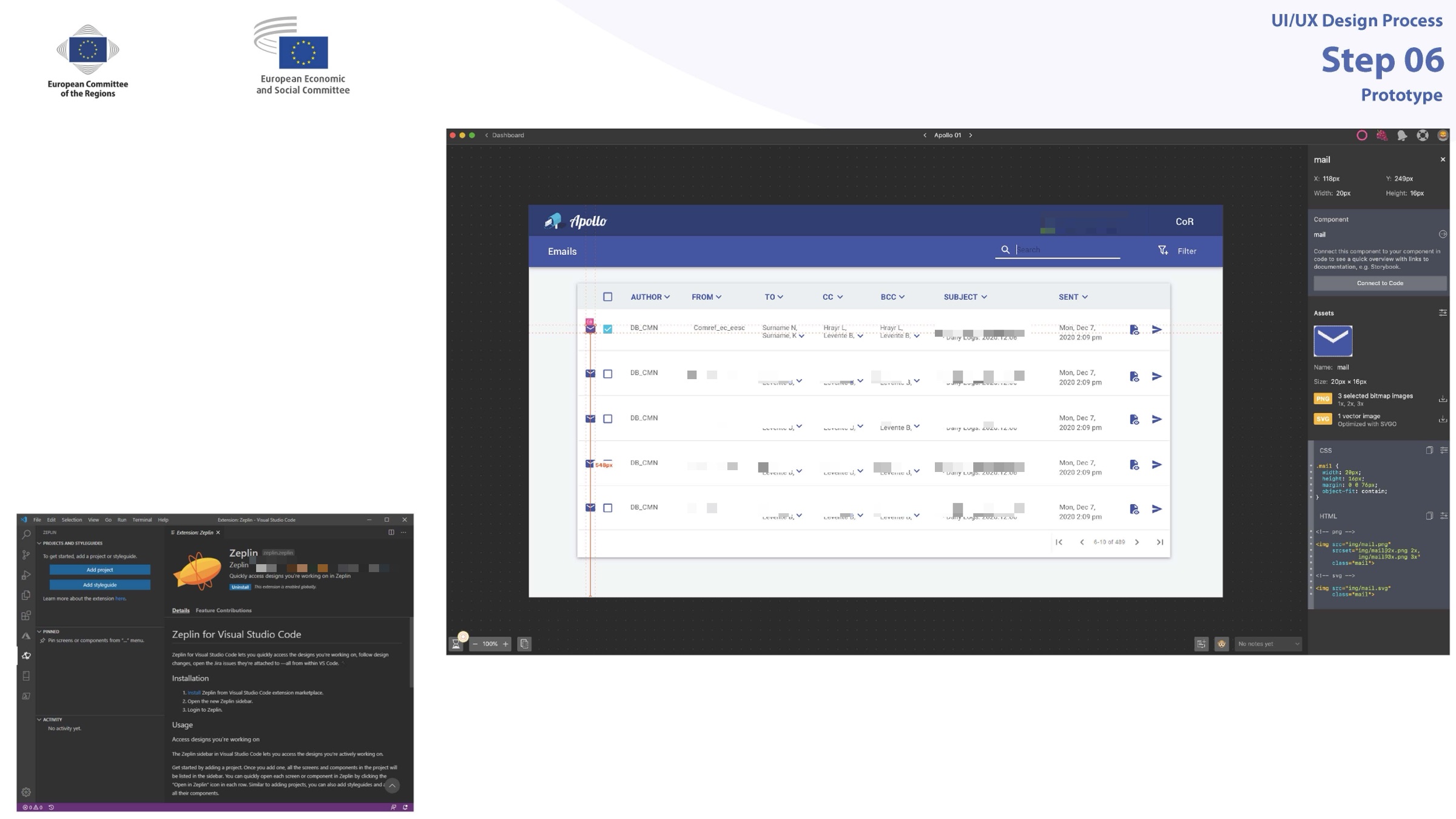
Specify interaction details and states, align with engineering, and use post-release signals to guide the next improvement cycle.
Accessible UI and handoff
Product analytics and metrics
Learnings back into the roadmap
A shared PM and UX tool
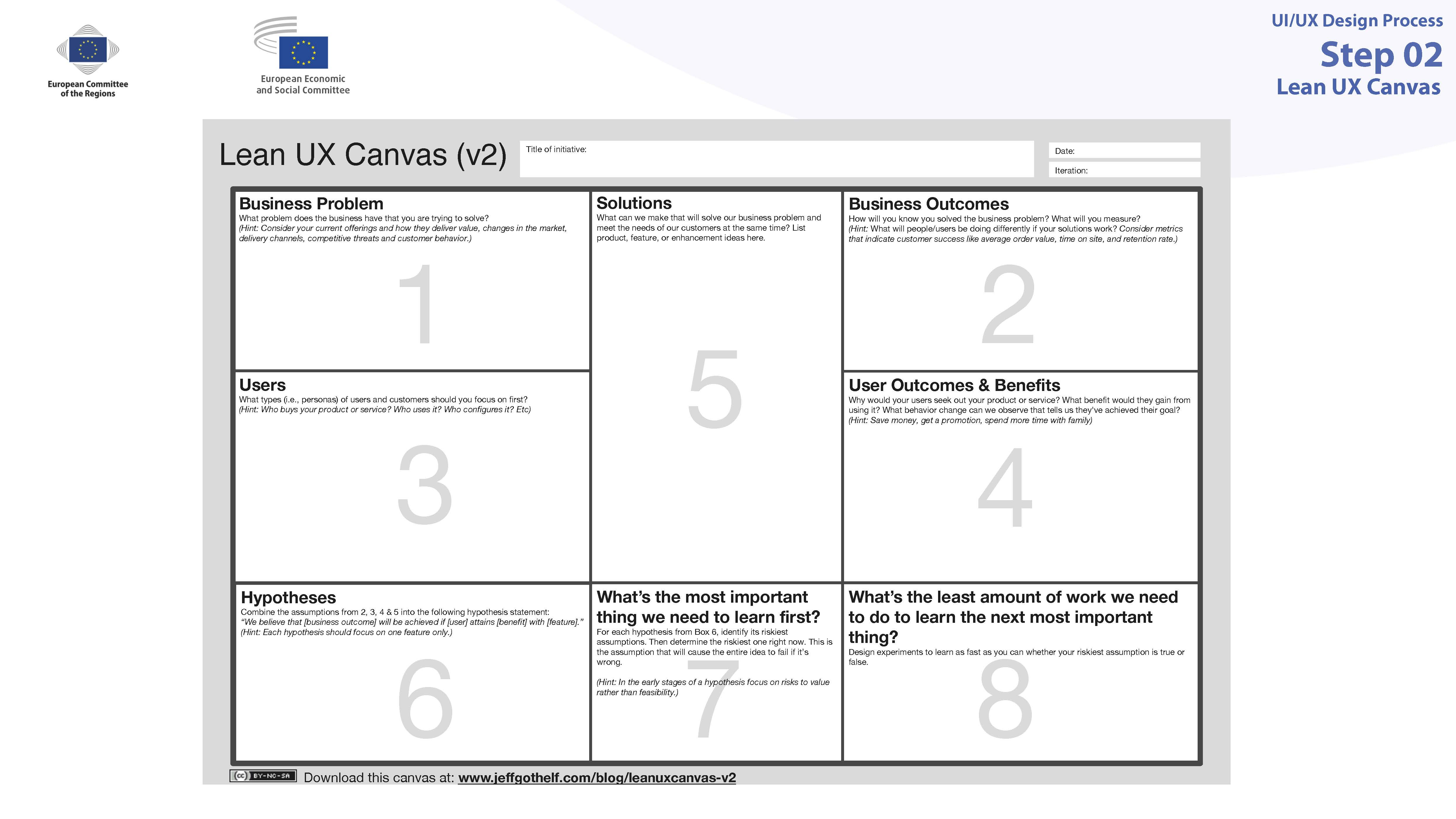
The UX Canvas puts assumptions on the table
The canvas helps product, design and development talk about the same thing. Teams fill in the business problem, possible solutions, goals, users, benefits, assumptions and the next test. A vague request becomes an idea you can test.
UX Canvas for product managers, a shared worksheet for aligning problem, user, value, and experiment.
01 · Business challenge and solution options02 · Users, value, and outcomes03 · Hypotheses and riskiest assumptions
Browse all 17 UX Canvas worksheets
The complete worksheet set supports structured product conversations from framing through learning and validation.
See the service landscape before redesigning a screen
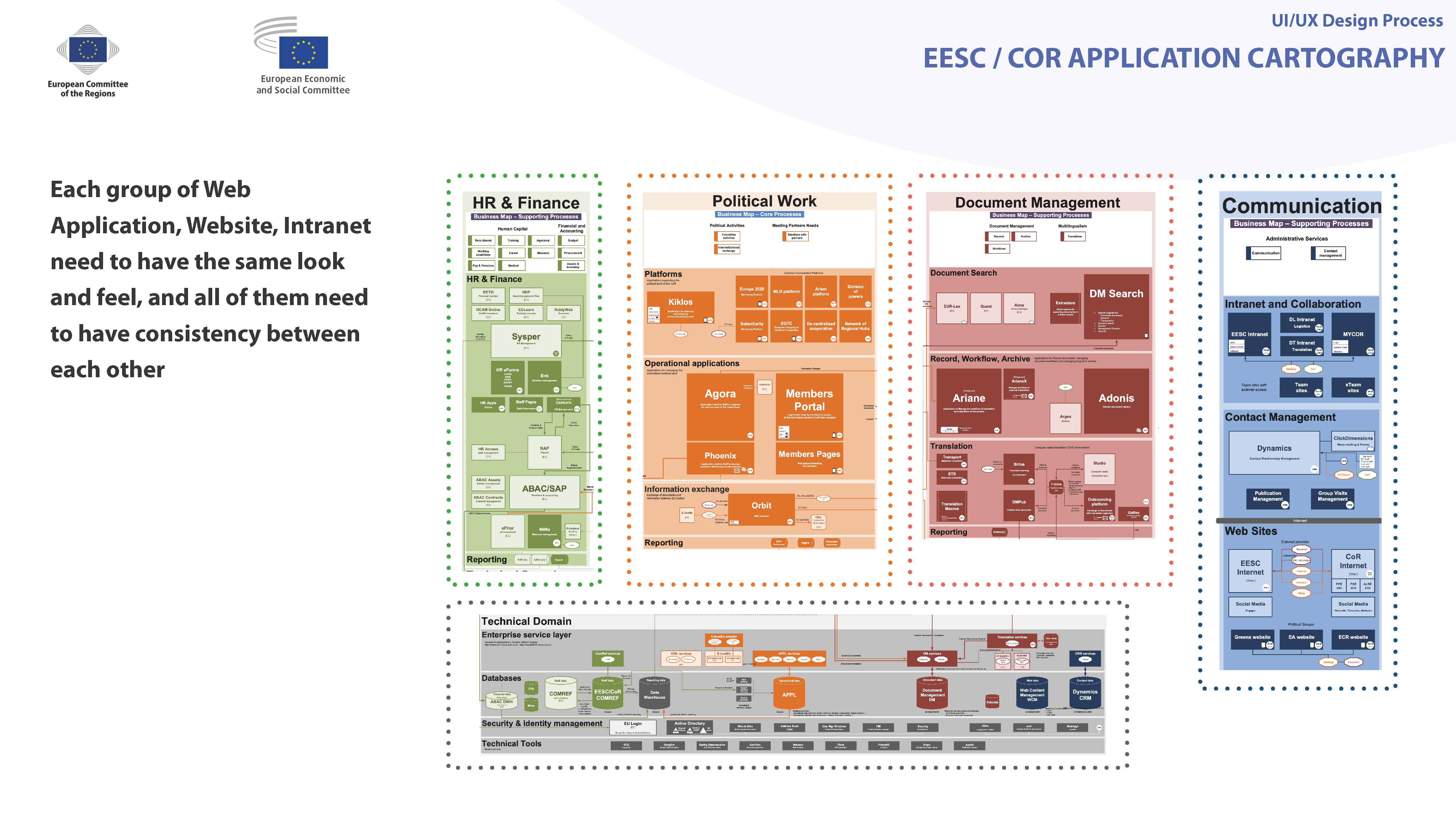
Application cartography connects products to the people, processes, and technical domains around them. It gives product and technology partners a shared view of dependencies, overlaps, and service boundaries, helping teams frame the right problem and coordinate change across a complex environment.
Connect user journeys to the wider system
Map where a user-facing task depends on internal applications, data, and operational processes before deciding where a change belongs.
Make dependencies visible to partners
Use one landscape view to support discussion across product, business, design, and technical stakeholders.
Focus discovery and delivery scope
Use the map to identify adjacent services, clarify boundaries, and bring the relevant owners into planning.
Research and measurement
Pair what people say with what they do
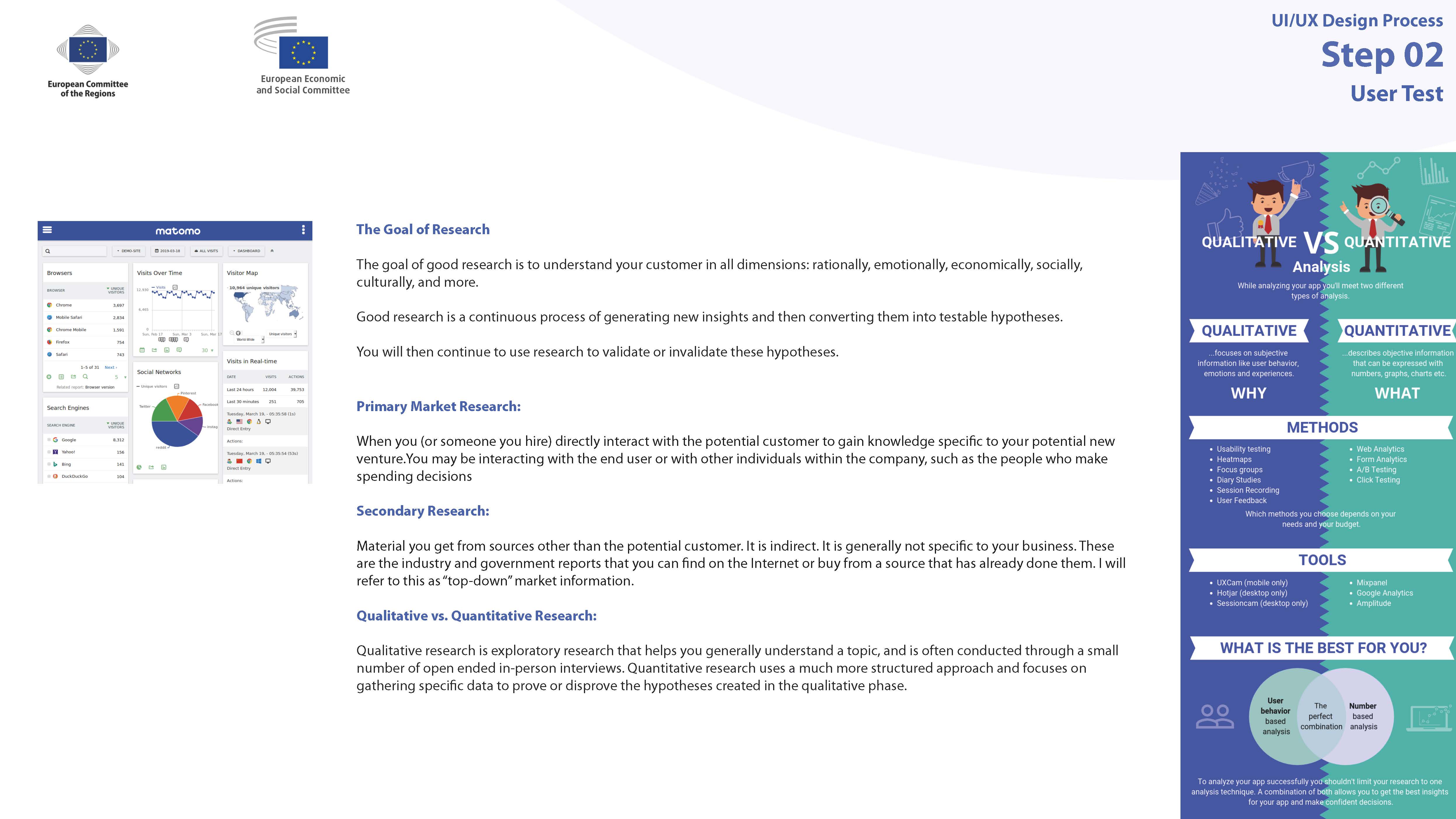
The methodology distinguishes exploratory research from evaluative work and combines qualitative context with behavioural evidence where available. Research questions, methods, and measures are selected to fit the decision at hand, not applied as a one-size-fits-all checklist.
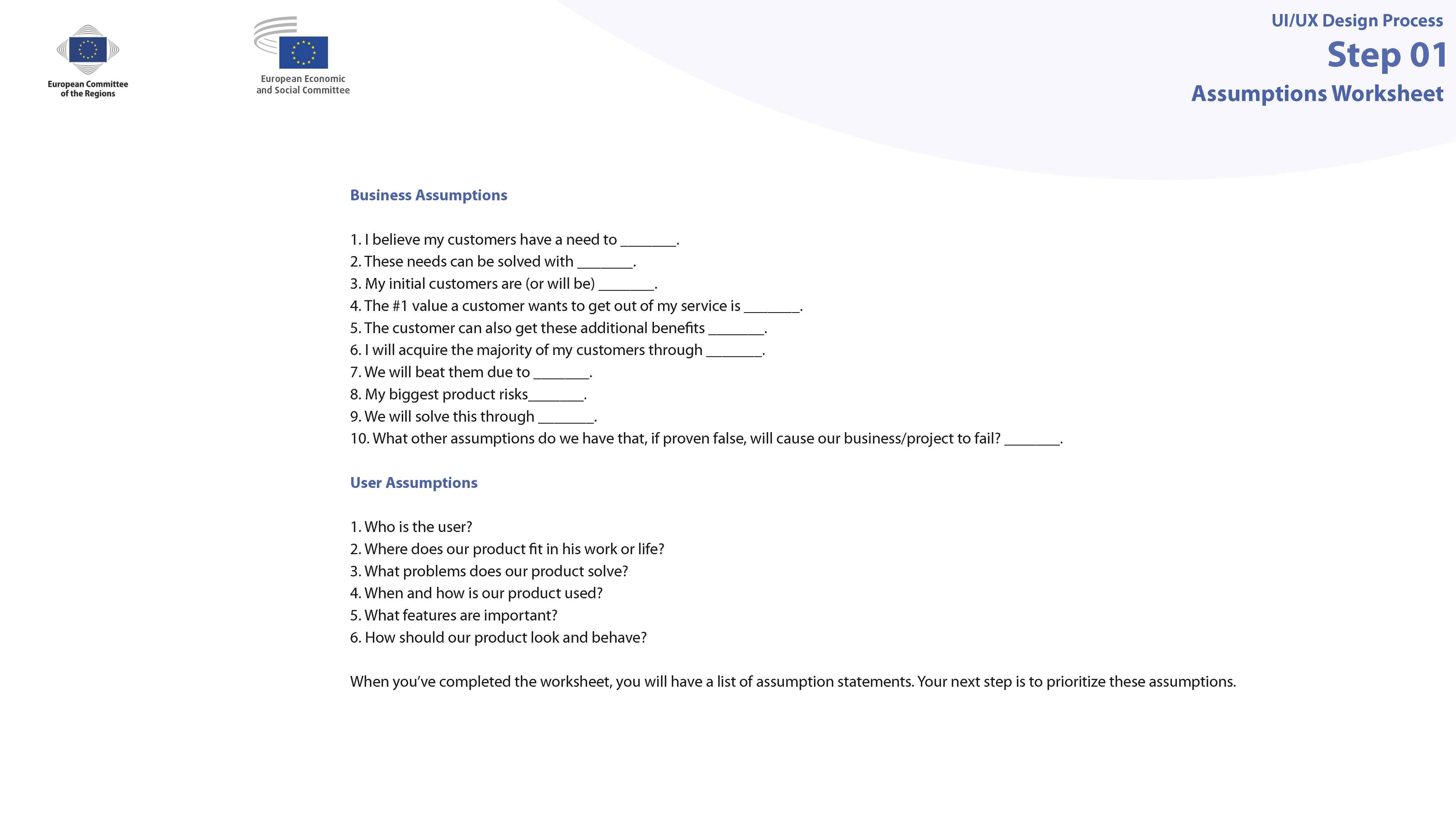
Research inputs: direct conversations and existing evidence.Choose qualitative and quantitative methods to fit the question.Business and user assumptions worksheet.
Qualitative insight
Interviews, observation, usability sessions, and feedback help explain needs, motivations, barriers, and why a task succeeds or fails.
Quantitative signals
Analytics, task measures, and product metrics help show patterns over time and indicate where deeper investigation may be useful.
From learning to making
Prototype early, validate the interaction, then refine
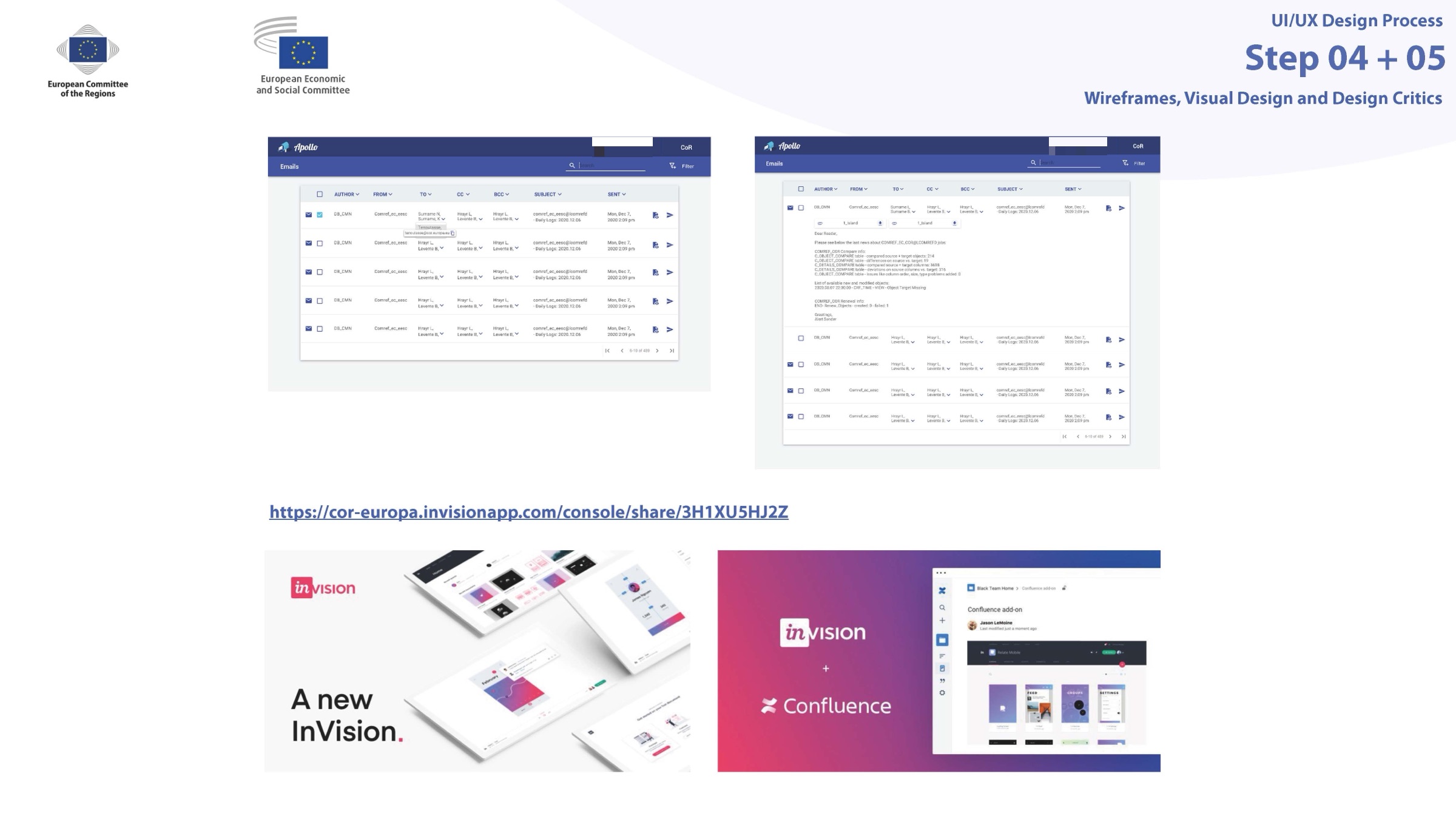
The work moves from research and problem definition into user flows, wireframes, visual design, and interactive prototypes. Testing helps expose gaps before teams commit to implementation, and findings feed the next design iteration.
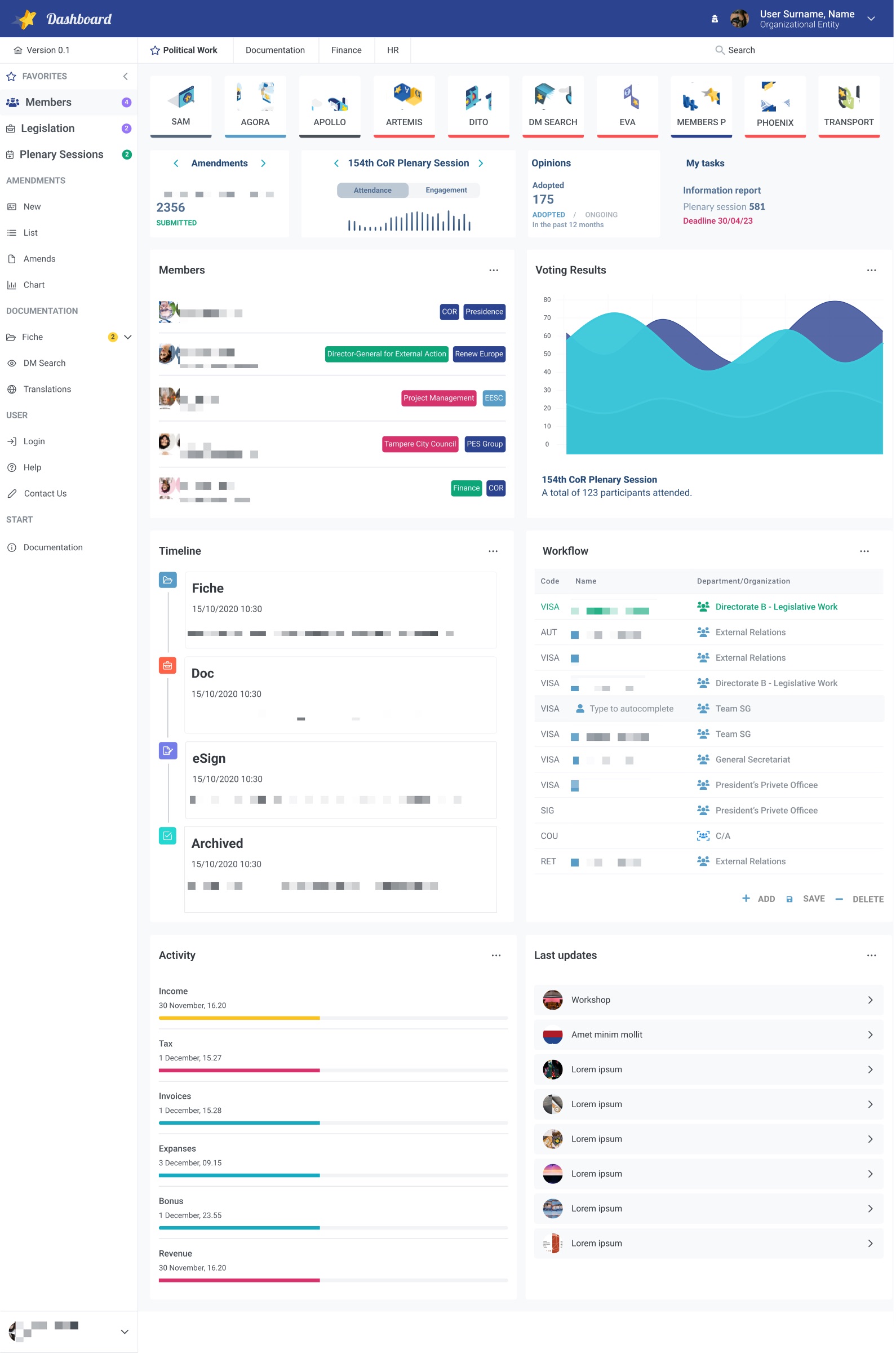
Public-sector dashboard UI, presenting key performance information in a clear, light-theme interface.
User stories and design criteriaWireframes, prototypes, and critiqueTest, learn, and iterate
How I partner with product teams
A shared method that keeps decisions moving
For product managers
Clarify outcomes, compare options, expose assumptions, prioritize learning, and connect roadmap choices to user value.
For design and research
Keep evidence, user needs, and design rationale visible, then translate findings into flows, prototypes, and criteria for evaluation.
For engineering
Bring implementation partners into discovery and validation early, align on constraints, and reduce ambiguity before handoff.
For stakeholders
Create a common language for discussing users, business goals, risks, scope, and what the team will learn next.
Working materials
Frameworks and references
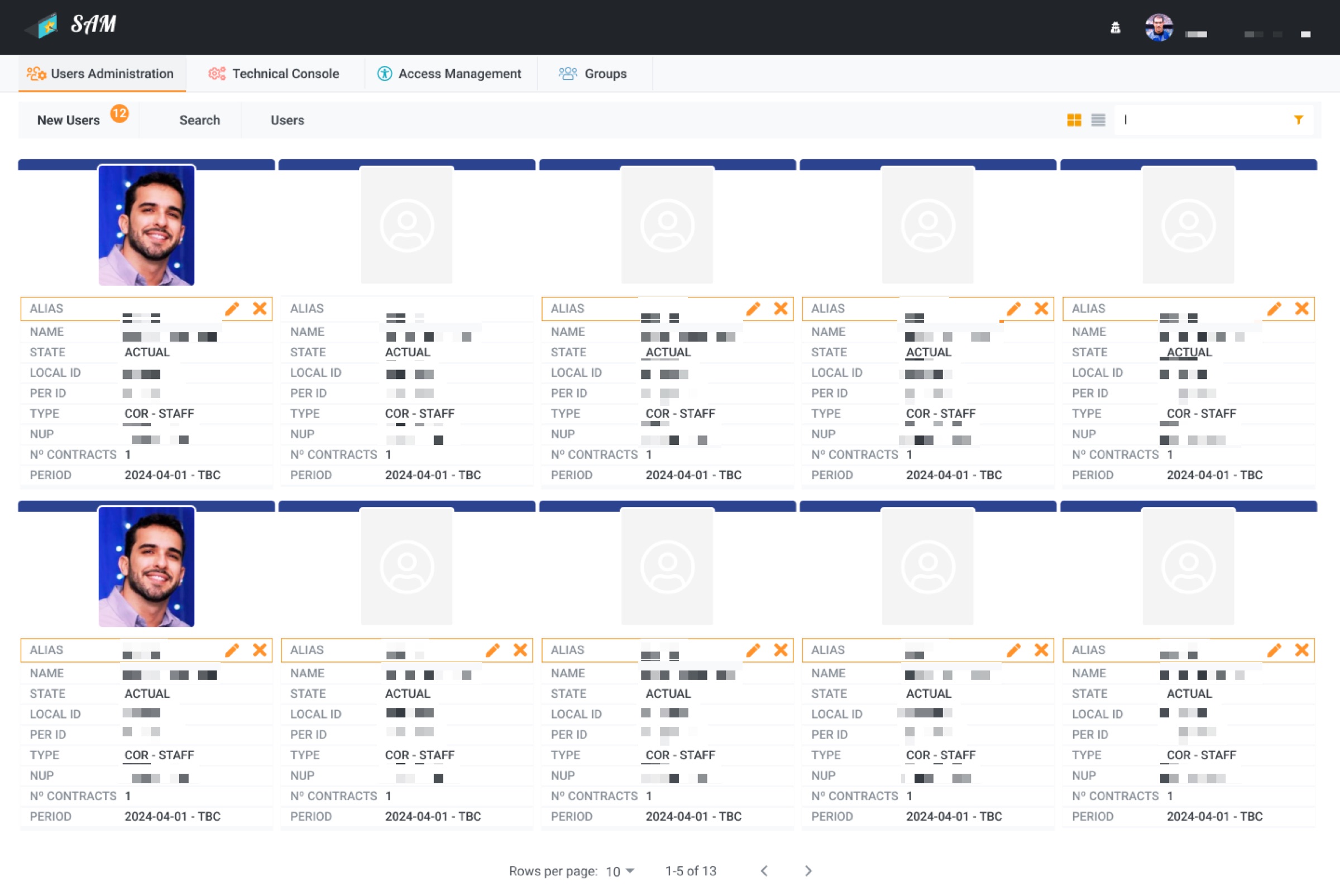
These screens show the tools I use in this process.
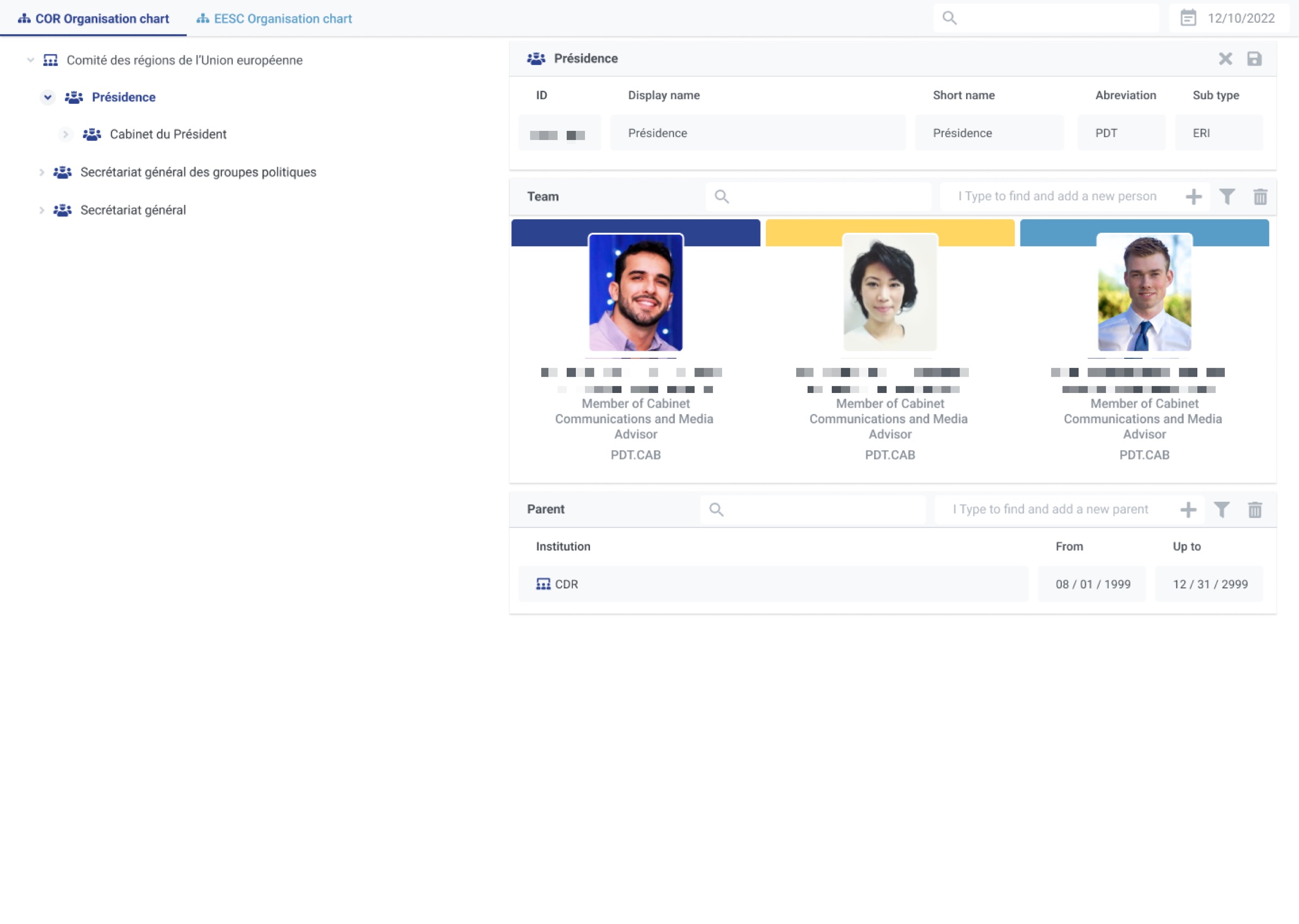
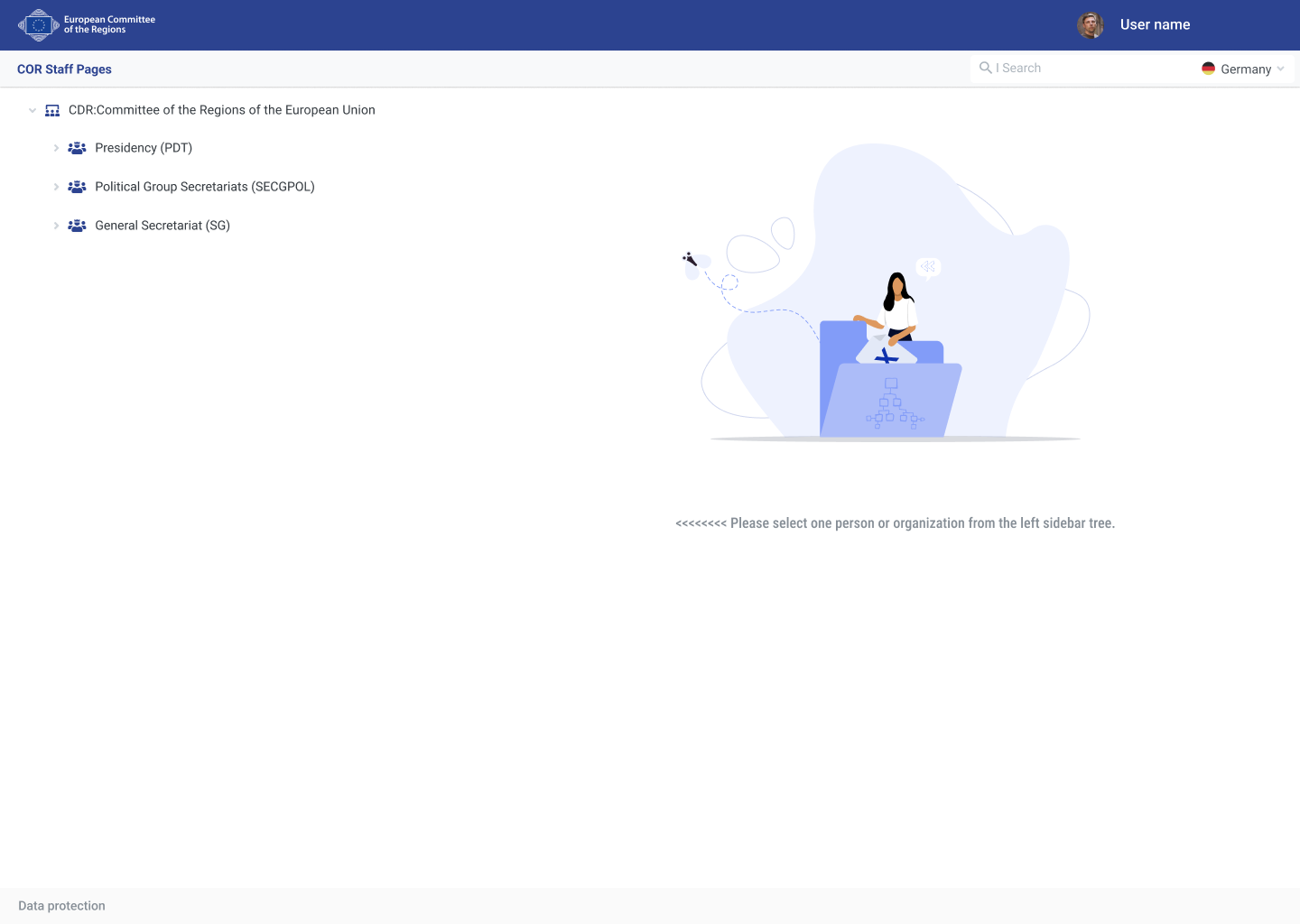
Organisation chart interface, exploring hierarchy, team membership, and parent relationships.Staff directory empty state, guiding users to select an organisation or person.User administration dashboard, presenting staff records in a card-based interface.
Need a partner to bring clarity to a product challenge?
I work with product managers and their teams to find the right problem, learn from users and turn what we learn into a clear plan.